In today’s rapidly evolving environmental landscape, ensuring water quality compliance is more than a regulatory obligation—it’s a moral and operational necessity. With increasing regulatory pressures and the complexity of modern infrastructure, water utilities, industries, and municipalities are turning to advanced technologies for effective solutions. Enter cloud AI platforms, the game-changer in water compliance AI.
The Challenges of Water Compliance
Maintaining compliance with water quality standards involves continuous monitoring, timely reporting, and swift corrective actions. Traditional methods often rely on manual sampling, isolated systems, and delayed data processing. These outdated approaches can lead to inefficiencies, non-compliance fines, and environmental harm.
This is where cloud water management powered by AI steps in.
Cloud AI: A Smarter Way to Manage Water Quality
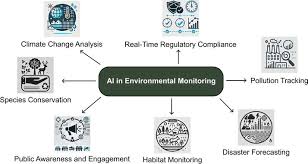
Water compliance AI leverages artificial intelligence and machine learning to process vast amounts of water quality data in real-time. Combined with cloud infrastructure, these platforms provide accessible, scalable, and integrated regulatory water solutions.
Key Benefits:
- Real-Time Monitoring: Cloud-connected sensors continuously collect data such as pH levels, turbidity, contaminants, and temperature. AI algorithms instantly analyze this data to detect anomalies or potential breaches in compliance.**
- Predictive Analytics: Instead of reacting to problems after they occur, water compliance AI forecasts risks—such as contamination or system failures—allowing proactive intervention.
- Automated Reporting: Regulatory reporting becomes seamless. Cloud AI platforms generate accurate, formatted reports tailored to local, national, or global compliance standards.
- Cost Efficiency: Automating compliance processes reduces labor, minimizes errors, and helps allocate resources more efficiently.
Empowering Decision Makers
One of the greatest advantages of cloud water management is accessibility. Decision-makers, operators, and regulators can access dashboards and alerts from anywhere. This promotes faster response times and more informed decision-making, even in remote or decentralized water systems.
Scalable, Sustainable Solutions
From small municipal water systems to sprawling industrial complexes, cloud-based AI platforms are designed to scale. They adapt to different regulatory environments and evolving standards, making them ideal regulatory water solutions for a variety of sectors.
Moreover, these technologies support sustainability goals by improving water efficiency, reducing waste, and promoting responsible resource management.
Final Thoughts
Water quality compliance doesn’t have to be a burden. With water compliance AI integrated into cloud water management systems, organizations can stay ahead of regulatory demands, protect public health, and contribute to environmental sustainability. As regulatory expectations continue to rise, investing in intelligent, cloud-based tools isn’t just a smart move—it’s a necessary one.