As climate change, urbanization, and population growth continue to stress global water supplies, the future of water sustainability hinges on innovation. Traditional water management strategies are no longer sufficient. To meet the demands of the 21st century, cities and utilities are turning to AI in water management, smart water systems, and digital water technology to ensure long-term access to clean and safe water.
The Need for Smarter Water Solutions
Globally, water scarcity affects over two billion people. Leaks in aging infrastructure, inefficient usage, and lack of real-time monitoring contribute to the crisis. Smart technologies offer a transformative way to optimize water usage, detect problems early, and make more informed decisions at every level of the water supply chain.
What Are Smart Water Systems?
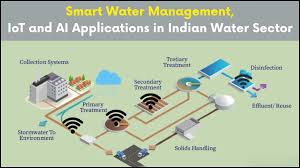
Smart water systems integrate sensors, data analytics, and connected devices to monitor and manage water infrastructure in real time. These systems can detect leaks, track water quality, forecast demand, and even automate maintenance tasks. The result is a more efficient, responsive, and sustainable water supply network.
For example, smart meters installed in homes and businesses provide consumers with detailed feedback on their water use, encouraging conservation and reducing waste. Utilities, in turn, can better manage distribution, plan infrastructure upgrades, and respond quickly to service disruptions.
The Role of AI in Water Management
Artificial Intelligence (AI) brings the power of advanced data analytics to water systems. By analyzing vast amounts of data from sensors, weather forecasts, consumption patterns, and more, AI in water management can identify trends, predict equipment failures, and recommend the most efficient operational strategies.
One compelling application of AI is predictive maintenance. By anticipating when a pump or valve is likely to fail, water utilities can avoid costly breakdowns and minimize service interruptions. Additionally, AI algorithms can help optimize energy usage in water treatment plants, reducing both costs and environmental impact.
AI also plays a key role in managing stormwater and flood risks. By integrating real-time weather and sensor data, smart systems can predict overflow risks and automatically adjust operations to protect infrastructure and communities.
Embracing Digital Water Technology
Digital water technology refers to the use of cloud computing, Internet of Things (IoT), and software platforms to enhance water infrastructure. It enables remote monitoring, centralized data management, and real-time decision-making. This digital transformation is essential for utilities aiming to modernize their operations and improve sustainability.
Digital twins—virtual replicas of water systems—are an emerging example of digital water technology in action. These models allow operators to simulate scenarios, test responses to emergencies, and optimize system performance without risking actual assets.
Challenges and the Path Forward
While the potential of smart and digital water systems is enormous, implementation can be complex. Upfront costs, cybersecurity concerns, and the need for specialized skills pose challenges for many water utilities, especially in developing regions.
However, public-private partnerships, government funding, and open data standards are helping bridge these gaps. As more cities demonstrate the value of these technologies, adoption is accelerating globally.
Conclusion
The future of water sustainability lies in innovation. Smart water systems, AI in water management, and digital water technology are not just buzzwords—they’re critical tools for building resilient, efficient, and equitable water infrastructure. As the world faces increasing water challenges, embracing these technologies will be key to ensuring clean, accessible water for generations to come.