In a world grappling with climate change, water scarcity, and rapid urbanization, ancient practices are finding renewed relevance. Rainwater harvesting, once a traditional method used in arid regions to survive long dry spells, is now being embraced globally as a viable strategy for addressing modern water challenges. It offers effective water storage solutions and promotes sustainable water use, making it a critical component of modern water management strategies.
What is Rainwater Harvesting?
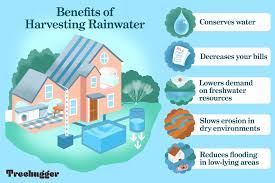
Rainwater harvesting is the process of collecting, storing, and using rainwater for domestic, agricultural, or industrial purposes. Instead of allowing rain to run off rooftops and roads into storm drains, it is captured and stored in tanks, underground reservoirs, or cisterns. This water can then be filtered and used for irrigation, flushing toilets, washing, and even drinking (with proper treatment).
Why It Matters Today
The global demand for freshwater is increasing, but supply remains limited. In many regions, groundwater levels are falling, rivers are drying up, and weather patterns are becoming more unpredictable. Rainwater harvesting helps buffer these challenges by:
Reducing dependence on municipal water systems
Alleviating pressure on groundwater resources
Providing a decentralized, low-cost water source
It’s especially beneficial in areas prone to drought or with unreliable water supply infrastructure.
Water Storage Solutions for Every Setting
One of the key strengths of rainwater harvesting is its adaptability. From rural farms to urban apartment complexes, a range of water storage solutions are available:
Rain barrels for gardens and lawns
Large storage tanks for homes and businesses
Underground cisterns for long-term storage
Recharge pits that help replenish groundwater
These systems can be customized based on the scale of water use, local climate, and building structure.
Toward Sustainable Water Use
Rainwater harvesting promotes sustainable water use by aligning consumption with natural rainfall cycles. It reduces the carbon footprint associated with pumping and treating municipal water and encourages water conservation behaviors. When combined with other sustainable practices—like greywater reuse and water-efficient appliances—it forms the backbone of a resilient water strategy.
Looking Ahead
Governments, NGOs, and environmental advocates are increasingly recognizing rainwater harvesting as more than just a conservation tool—it’s a necessity. Incentives, subsidies, and policy changes are encouraging individuals and institutions to adopt this age-old technique in modern contexts.
As we face intensifying water challenges, turning to time-tested methods like rainwater harvesting may be one of our most effective solutions. By integrating smart water storage solutions into our homes, communities, and cities, we take a significant step toward sustainable water use and a more water-secure future.