With the implementation of IoT devices increasing globally, it is no surprise that they are being integrated into every facet of industry, leading the way for industry 4.0. New initiatives working to optimize industry, critical infrastructure, environmental monitoring, healthcare and supply chain management are just some of the exploding use cases for IoT.
Another industry relying on the IoT is agriculture, which is being completely transformed by the implementation of complex IoT infrastructure. The agriculture market worldwide is leveraging IoT as part of new initiatives for crop monitoring, optimizing resources, livestock management, and automation. However, implementation is not a simple task. Even within agriculture, IoT contains numerous unique use cases, each with their own challenges, costs, and risks. If the agriculture sector can overcome these challenges, however, it could pave the way for farming to be transformed entirely with benefits that could expand far beyond agriculture, making positive impacts on the environment, the economy, and supply and demand.
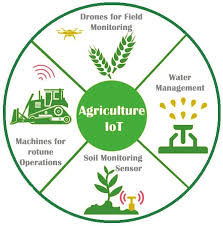
Use cases for IoT in agriculture are varied but essentially come down to optimizing and automating the process of managing crop yields and livestock, reducing waste, and monitoring external factors such as weather and environmental impacts on produce.
IoT sensors optimize agricultural management and production by measuring soil moisture levels, humidity and temperature changes, precipitation, and soil nutrients. Similar tracking devices can also be applied to livestock farming to assess their reproduction, general health, weight, and milk production in the case of cattle.
Produce workers are able to apply this information to how they approach their farming practices, including crop fertilization, livestock diet, seasonal farming planning and determining harvest times. This data also allows farms to respond to unforeseen problems such as disease outbreak in crops and animals and mitigating the spread, as well as monitoring crop growth and managing irrigation. Applying this data to farming practices improves agricultural sustainability by working with changes in the environment and reducing resource waste.
Drones are also being utilized for pollinating, fertilizing, and spraying crops with pesticides. This automated process reduces the need for on-hand farming and saves time and resources.
Smart greenhouses are advanced agricultural structures that leverage IoT technologies to create optimized and controlled environments for plant growth. These high-tech greenhouses integrate sensors, actuators, and automation systems to monitor and regulate various environmental factors, ensuring optimal conditions for crops.