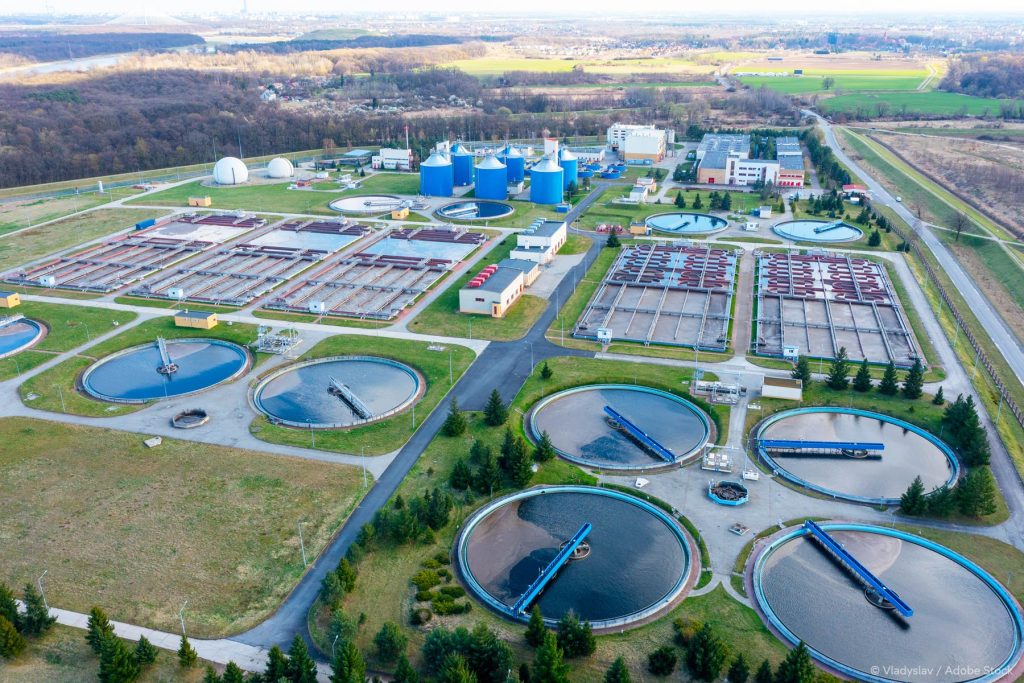
Densely populated cities face enormous challenges in managing wastewater due to increasing water demand and climate change. The need for solutions that are more innovative than conventional methods has become urgent. In this context, companies like Tedagua are leading the way towards sustainability and efficiency with advanced technologies such as AnMBR, methanation, and electrodialysis.
Densely populated cities are facing a critical situation when it comes to the management of their wastewater. Rapid urban growth, coupled with increased domestic and industrial activities, has overburdened existing wastewater treatment systems, leading to a number of worrying environmental and demographic consequences.
First, improper wastewater management directly contaminates water sources, such as rivers, lakes, and aquifers. Untreated or poorly treated discharges introduce harmful pollutants such as pathogens, excess nutrients, and hazardous chemical compounds into aquatic ecosystems. Not only does this harm aquatic life and deteriorate water quality, but it also poses a significant risk to public health, especially in areas where communities rely on surface water sources for consumption.
In addition to environmental impacts, poor wastewater management also poses significant demographic challenges. Water stress, exacerbated by climate change and increased demand, is forcing cities to look for alternative solutions for drinking water supply. The reuse of treated wastewater, while still presenting technical and societal challenges, is becoming an increasingly viable option to relieve pressure on natural water resources.
To address these challenges effectively, a comprehensive approach is required that combines innovative solutions with urgent action. There is a need for more efficient and sustainable wastewater treatment technologies that can reduce the environmental footprint of the process and recover valuable resources such as energy, reusable water, and nutrients.
At the national level, Spain has made efforts to comply with European requirements in terms of wastewater treatment; this is reflected in the National Plan for Purification, Sanitation, Efficiency, Savings and Reuse. This comprehensive plan aims to improve infrastructure and promote innovation in the wastewater treatment industry to comply with EU directives and protect the environment and public health.
At a European level, EU targets have been set to minimise the environmental impact of the wastewater treatment sector and make it energy-neutral. This includes reducing energy consumption, promoting water reuse, and biogas production. This approach will ensure Europe’s energy and environmental sustainability.
Projects such as “From Waste to Resources: From WWTP to Biofactory” are turning the challenges of wastewater treatment into opportunities. These initiatives aim to research and develop advanced technologies for nutrient recovery and energy production from organic waste, along with water regeneration, thus showing the potential transformative effect that innovative solutions can have on the sector.