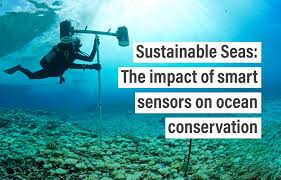
Healthy water ecosystems are essential for biodiversity, human health, and sustainable development. As environmental challenges like pollution, climate change, and industrial runoff continue to threaten aquatic environments, innovative technologies are stepping up to meet the challenge. One of the most transformative tools in this space is real-time water ecosystem monitoring, powered by environmental water sensors.
The Need for Continuous Monitoring
Traditionally, water quality assessments relied on manual sampling and laboratory testing, often resulting in delayed or incomplete data. This approach made it difficult to detect pollution events or subtle changes in water chemistry in a timely manner. Today, however, real-time water ecosystem monitoring allows for immediate insights into water quality, improving responsiveness and decision-making.
Role of Environmental Water Sensors
Environmental water sensors are devices placed in rivers, lakes, wetlands, and coastal zones to continuously collect data on physical, chemical, and biological parameters. These can include temperature, pH, dissolved oxygen, turbidity, nutrient concentrations (such as nitrates and phosphates), and even biological indicators like algae levels.
The constant stream of data provided by these sensors helps scientists, conservationists, and government agencies maintain a clearer, real-time picture of aquatic ecosystem health. This data is especially valuable for identifying trends, assessing the impact of human activity, and guiding restoration efforts.
Pollution Detection in Real Time
One of the most critical applications of real-time sensors is pollution detection. By monitoring key indicators, sensors can quickly identify anomalies that suggest the presence of contaminants—whether from industrial spills, agricultural runoff, or sewage discharge. Immediate alerts enable faster responses, minimizing the spread and severity of pollution incidents.
For example, if a sensor detects an unusual spike in turbidity and chemical contaminants downstream of a factory, environmental authorities can investigate and take action before wildlife or communities are affected.
Enhancing Ecosystem Resilience
Real-time data not only helps in identifying and mitigating pollution but also supports long-term ecosystem resilience. Decision-makers can better understand the seasonal and daily fluctuations in water quality, predict ecological stress, and implement targeted interventions. Moreover, such data is invaluable for validating ecological models and refining conservation strategies.
Looking Ahead
As the climate crisis intensifies and freshwater resources face growing pressures, the integration of environmental water sensors into ecosystem management is no longer optional—it’s essential. With advancements in sensor technology, data analytics, and wireless communications, the future of water ecosystem monitoring looks both smart and sustainable.
By enabling real-time pollution detection and providing a comprehensive picture of ecosystem dynamics, sensor technologies are reshaping how we protect and preserve the planet’s most vital resource—water.