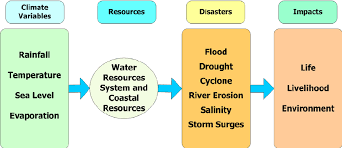
Climate change is no longer a distant threat—it is a present-day reality reshaping ecosystems, weather patterns, and most critically, our water systems. As the planet warms due to increased greenhouse gas emissions, the climate change effects on global water resources are becoming more severe and widespread. From prolonged droughts to erratic rainfall and melting glaciers, water systems around the world are under increasing stress, contributing to a growing global water crisis.
Altered Rainfall Patterns
One of the most visible climate change effects is the disruption of natural precipitation cycles. Some regions are experiencing more intense rainfall and flooding, while others are suffering from prolonged dry spells. These shifts make water availability unpredictable and challenge communities that rely on seasonal rains for agriculture and drinking water. In Africa, Asia, and parts of Latin America, irregular monsoons and declining snowpacks have significantly reduced freshwater supplies.
Rising Temperatures and Increased Evaporation
Higher global temperatures not only lead to more heatwaves but also increase evaporation rates from rivers, lakes, and reservoirs. As a result, surface water sources are shrinking even in areas that receive adequate rainfall. This phenomenon contributes directly to water scarcity, affecting both urban and rural populations who depend on these sources for daily use and irrigation.
Melting Glaciers and Disappearing Snowpacks
Mountain glaciers and snowpacks act as natural water storage systems, slowly releasing water throughout the year. Due to rising temperatures, these ice reserves are melting faster than they can be replenished. In regions like the Himalayas, Andes, and Rockies, this leads to short-term flooding followed by long-term water scarcity, as the natural reservoirs dry up. Millions of people downstream depend on these water flows, and their loss is a significant factor in the global water crisis.
Sea-Level Rise and Salinization
Rising sea levels caused by melting polar ice caps are pushing saltwater into coastal freshwater aquifers. This salinization makes the water undrinkable and unfit for agriculture. Many coastal communities in Bangladesh, Egypt, and small island nations are already facing this issue, further compounding their water security challenges.
The Social and Economic Toll
The impacts of water stress extend beyond the environment. As water scarcity intensifies, it can lead to food shortages, economic instability, migration, and even conflict. Developing nations are particularly vulnerable, where access to clean water is already limited. In some areas, the global water crisis is becoming a root cause of humanitarian emergencies.
Addressing the Crisis
Mitigating the climate change effects on water resources requires coordinated global action. Investment in water-efficient technologies, sustainable agriculture, improved infrastructure, and early-warning systems is essential. Additionally, international cooperation on transboundary water management and climate adaptation strategies will be key to ensuring water security in the face of ongoing climate disruptions.
Conclusion
The link between climate change and global water resources is undeniable. As the global water crisis deepens, it demands urgent attention from governments, communities, and individuals alike. By acknowledging and addressing the role of climate change effects in exacerbating water scarcity, we can begin to develop resilient solutions to protect one of our most vital resources—water.