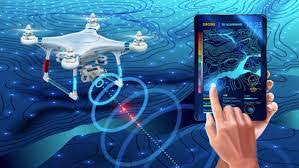
In a world facing increasing environmental challenges and water scarcity, the ability to monitor water sources accurately and efficiently is more critical than ever. Traditional water quality inspection methods often involve manual sampling, which can be time-consuming, costly, and sometimes dangerous—especially in hard-to-reach or hazardous locations. Today, a new frontier in environmental monitoring is emerging: drone water monitoring powered by artificial intelligence.
The Rise of Drone Water Monitoring
Drone water monitoring involves the use of unmanned aerial vehicles (UAVs) equipped with high-resolution cameras, sensors, and sometimes even robotic arms or water-sampling devices. These drones can be deployed over lakes, rivers, reservoirs, and wetlands, especially in remote or difficult-to-access areas. With real-time data collection capabilities, they offer a faster and safer alternative to manual inspections.
The integration of AI significantly enhances the utility of these drones, transforming them into intelligent platforms capable of not just collecting data, but analyzing it on the fly.
How AI Drone Analytics Work
At the heart of this revolution is AI drone analytics—the application of machine learning algorithms and computer vision technologies to interpret data gathered by drones. Here’s how it works:
Data Collection: Drones fly predefined routes and capture high-resolution imagery, thermal data, and sensor readings on water temperature, turbidity, pH levels, and pollutant concentrations.
Real-Time Analysis: Onboard or cloud-based AI systems analyze the data in real time to detect anomalies such as algal blooms, sediment build-up, oil slicks, or chemical pollution.
Predictive Insights: AI algorithms learn from historical data to predict potential threats to water quality, enabling proactive rather than reactive management.
Automated Reporting: The system generates instant reports, heat maps, and alerts, which can be sent directly to environmental authorities, researchers, or agricultural managers.
Benefits of Remote Water Quality Inspection
The use of AI-powered drones for remote water quality inspection offers numerous advantages:
Accessibility: Drones can reach remote areas that are otherwise inaccessible or hazardous for human workers.
Efficiency: Automated data collection and analysis reduce the time and resources needed for comprehensive monitoring.
Accuracy: High-resolution imaging and advanced sensors deliver precise, objective measurements.
Frequency: Drones can be deployed frequently and on-demand, allowing for continuous monitoring without the need for large field teams.
Applications Across Industries
From managing agricultural runoff to monitoring drinking water reservoirs, the potential applications of this technology are vast:
Environmental Protection: Conservationists use AI drones to monitor ecosystems and track changes in wetland or watershed health.
Agriculture: Farmers benefit from drone water monitoring to ensure irrigation water quality and manage nutrient runoff.
Disaster Response: After natural disasters, drones help inspect water sources for contamination, ensuring safe drinking water for affected communities.
Industrial Compliance: Companies use drones to monitor effluent and meet environmental regulations without frequent manual inspections.
Challenges and the Road Ahead
While the technology is promising, there are still hurdles to overcome. These include regulatory restrictions on drone flights, the need for reliable communication infrastructure in remote areas, and the challenge of integrating diverse data sources. Nonetheless, as AI and UAV technologies continue to advance, these challenges are gradually being addressed.
Conclusion
The fusion of AI and drone technology is redefining how we manage one of our most precious resources: water. With AI drone analytics and remote water quality inspection, we are now equipped to monitor water sources more effectively, detect issues earlier, and take swift action to protect public health and the environment. As the world faces growing pressures on freshwater supplies, drone water monitoring will play an increasingly vital role in sustainable water resource management.