Water is one of our most vital resources, yet ensuring its purity and safety has traditionally relied on time-consuming and error-prone manual methods. Today, the landscape is rapidly changing. The integration of artificial intelligence into environmental science is revolutionizing how we monitor and manage water systems. AI water quality testing, automated water analysis, and smart monitoring solutions are ushering in a new era of efficiency, accuracy, and real-time decision-making.
The Limitations of Manual Testing
Manual water testing has been the standard approach for decades, involving field sampling, lab-based chemical analysis, and manual data recording. While effective to a point, this process is slow, resource-intensive, and often reactive. Problems may only be discovered after contamination has already occurred, limiting the ability to take timely action.
Enter AI: Transforming Water Quality Testing
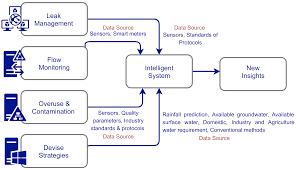
With the rise of AI water quality testing, environmental monitoring is becoming smarter and more proactive. These systems use machine learning algorithms to analyze massive volumes of data from various sources—sensors, satellites, historical records—and detect patterns that humans might miss. AI can identify subtle anomalies in pH, turbidity, temperature, and contamination levels, often before they become critical issues.
This approach enables predictive analytics, meaning authorities can act before a problem escalates. For example, if AI detects early signs of algal blooms or chemical leaks, preventative measures can be taken immediately, avoiding ecological damage and health risks.
Automated Water Analysis: Speed Meets Precision
Automated water analysis technologies are central to this transformation. These systems continuously sample and test water using advanced sensors and data-processing units deployed in the field. Rather than waiting days or weeks for lab results, stakeholders can access insights in real-time.
Combining automation with AI not only speeds up detection but improves reliability. These systems can operate 24/7 with minimal human intervention, reducing costs and eliminating human error. For municipalities, agricultural managers, and industrial operators, this means better compliance with environmental standards and faster response to issues.
Smart Monitoring Solutions: A Connected Ecosystem
At the heart of this shift lies a new generation of smart monitoring solutions—IoT-enabled devices that collect and transmit water quality data in real-time to centralized platforms. These platforms integrate AI and automated analytics, offering a holistic view of water systems across entire regions.
These solutions can adapt to various environments, from urban infrastructure to remote watersheds. They allow users to track changes over time, receive alerts about unusual activity, and generate reports automatically. In essence, they turn raw water data into actionable intelligence.
Real-World Impact
Cities like Singapore and Amsterdam are already deploying smart water systems that incorporate AI water quality testing and automated water analysis. These implementations have led to reduced pollution incidents, improved public health outcomes, and more sustainable water usage.
In agriculture, farmers use AI-powered monitoring to optimize irrigation, reducing waste and preventing runoff that can contaminate nearby water sources. Meanwhile, environmental agencies are leveraging these technologies to better safeguard ecosystems and protect biodiversity.
Looking Ahead
As climate change and urbanization place increasing pressure on water resources, the need for intelligent, scalable solutions becomes urgent. Smart monitoring solutions, powered by AI and automation, offer a path forward. They not only modernize how we manage water quality but also empower communities and industries to make informed, timely decisions.
From reactive testing to predictive insight, the journey toward modern water stewardship is well underway. And at its core is the seamless fusion of AI and environmental science—proving that technology can be a powerful ally in preserving our most precious resource.