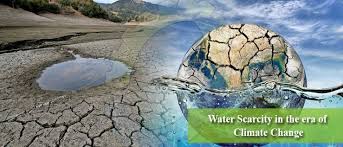
Climate change is posing an increasing threat to Europe’s water resources and exacerbating water-related risks. This majorly impacts people and the economy. Climate risks are affecting both water quality and freshwater supply for people and the environment. Extreme weather events like heatwaves, droughts and floods are impacting people and societal systems; waterbodies; and the natural and built ecosystems that depend on them. Reducing pollution and water use will help Europe cope with climate change in the future.
The EEA’s European Climate Risk Assessment shows that Europe is the fastest-warming continent worldwide, with droughts and floods becoming more intense and frequent. Projections show that overall annual rainfall will drop in southern and some western regions of Europe, leading to more water shortages. Even in regions where projected rainfall will remain stable or increase, there can be less precipitation in summer, reducing water availability.
Longer dry periods and droughts will contribute to lower river flows, reduced groundwater levels and aquifer depletion. This in turn can affect water quality, increasing the risk of excessive nutrient accumulation and harmful algae blooms. If water demand is not adjusted to availability, lower rainfall may also affect water supply to households and economic activities like agriculture, industry, energy production and the use of inland waterways. Reductions in ice cover, melting of glaciers and less snow in mountain areas, which feed key European rivers like the Rhine, Danube or Po, only worsen the situation.
Better water management is also crucial. Some regions in Europe will see more competition between sectors that use water, like industry, farming or households. Sustainable water use also ensures enough water for ecosystems so that they can play their part in helping the water cycle function.
Climate change is increasingly straining Europe’s water availability as well as its quality.Extreme weather events like heavy precipitation and droughts are expected to increase in the coming years. More heavy precipitation and droughts may lead to more pollution in our waters, as well as unsustainable use of existing water supplies above and underground.Europe needs to make its water more resilient to climate change and extreme weather events. This way, water bodies will be able to withstand extreme conditions and continue supporting people and nature.
Use less water at home by, for example, fixing leaking taps and toilets, taking shorter showers and making conscious and informed consumption choices. Try using less water in activities outside the house. For instance, don’t wash your car with running water; collect rainwater for your garden; or grow more drought-resistant plants.Learn about the flood risk in your area and local emergency plans in case of flooding or water scarcity. Sign up for local alerts so you can be informed about emergencies.