As environmental concerns escalate and water scarcity looms over many parts of the world, the need for trustworthy and timely water quality information has never been more critical. Technologies such as blockchain and artificial intelligence (AI) are emerging as transformative tools in enhancing water data transparency and improving regulatory reporting standards. Together, AI and blockchain are reshaping how governments, utilities, and communities monitor and report on water quality.
The Challenge of Water Quality Monitoring
Traditional water quality monitoring systems rely heavily on manual sampling, data silos, and delayed reporting. This often results in a lack of real-time insights, inconsistencies in reporting, and limited public access to vital information. In many cases, regulatory agencies struggle to verify data authenticity or trace the source of contamination due to fragmented and opaque systems.
Blockchain Water Quality Solutions
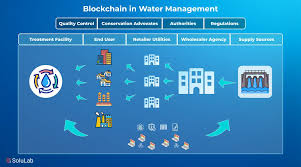
By leveraging blockchain technology, stakeholders can ensure that water quality data is immutable, auditable, and securely shared across multiple entities. Each water quality measurement can be time-stamped and recorded on a decentralized ledger, ensuring that the information is tamper-proof and verifiable by regulators, researchers, and the public.
For example, a smart sensor monitoring pH levels in a reservoir can upload its readings directly to a blockchain-based platform. This allows for real-time, transparent reporting that builds public trust and holds polluters accountable. The traceability offered by blockchain water quality systems also helps identify patterns and sources of contamination faster and more reliably.
AI for Regulatory Reporting and Predictive Analysis
AI regulatory reporting tools are enhancing how water data is interpreted, flagged, and communicated. Machine learning algorithms can detect anomalies in water quality metrics, predict contamination events, and generate automated compliance reports for environmental agencies. This not only accelerates the reporting process but also reduces human error and regulatory burden.
AI can also synthesize vast volumes of water quality data from multiple sources—sensors, satellite imagery, weather patterns—and offer predictive insights. Such capabilities are invaluable for proactive decision-making and policy planning in the face of climate change and urban growth.
Driving Water Data Transparency
Combining AI with blockchain creates a robust framework for water data transparency. AI systems process and analyze the data, while blockchain ensures its integrity and availability. Citizens, NGOs, and regulatory bodies can access real-time dashboards showing pollutant levels, compliance histories, and environmental risks—fostering a culture of accountability and informed action.
Conclusion
The integration of AI and blockchain water quality technologies is setting a new standard for environmental monitoring. By enabling secure, transparent, and intelligent AI regulatory reporting, these innovations empower stakeholders to respond more effectively to water quality challenges. As more regions adopt digital water governance strategies, the fusion of these technologies will be central to safeguarding public health and promoting sustainable water management worldwide.