As industries embrace digital transformation, the demand for real-time data, automation, and compliance monitoring has reached unprecedented levels. In sectors where water management is mission-critical — such as manufacturing, energy, and chemical processing — traditional monitoring systems are no longer sufficient. Enter 5G IoT gateways: a powerful convergence of fifth-generation cellular technology and the Internet of Things (IoT) that’s revolutionizing industrial water monitoring.
The Rise of 5G IoT Water Sensors
5G IoT water sensors represent a significant leap forward in the way industries collect and analyze water data. These sensors, when connected through 5G IoT gateways, can transmit large volumes of data with ultra-low latency and high reliability. Whether monitoring pH levels, flow rates, or the presence of harmful contaminants, these sensors provide a constant stream of insights that can be accessed in real time — anytime, anywhere.
With 5G, industrial water monitoring moves beyond periodic sampling and manual reporting. Instead, it becomes a dynamic, automated process capable of identifying issues before they escalate, saving both resources and costs.
Strengthening Industrial Water Compliance
Staying within regulatory limits is non-negotiable for any industry using or discharging water. Violations not only risk hefty fines but also damage a company’s reputation. Here’s where 5G IoT gateways shine.
By connecting a network of water quality sensors to centralized data platforms, 5G enables instantaneous alerts when water parameters deviate from acceptable levels. This allows for proactive compliance management, ensuring that thresholds set by environmental agencies are met consistently. Moreover, historical data logging supported by cloud connectivity simplifies audit trails and compliance reporting, transforming what was once a reactive process into a proactive compliance strategy.
Enabling Smart Factories
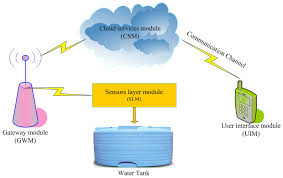
In the era of Industry 4.0, smart factories leverage digital tools to enhance productivity, sustainability, and decision-making. 5G IoT gateways play a pivotal role in this ecosystem by bridging edge devices, such as water sensors, with AI-driven analytics platforms and control systems.
This interconnectivity allows for:
Predictive maintenance of water systems
Automated water usage optimization
Integration with broader factory management systems
By embedding water monitoring into the smart factory architecture, businesses can reduce water waste, lower energy consumption, and improve overall operational efficiency — all while aligning with environmental sustainability goals.
The Bottom Line
5G IoT gateways are more than just a new technology — they’re a catalyst for smarter, more sustainable industrial water management. From real-time monitoring and 5G IoT water sensors to enhanced industrial water compliance and the rise of smart factories, the impact is transformative. As more industries adopt this technology, we can expect safer processes, cleaner water, and a stronger alignment with global environmental standards.
In short, 5G isn’t just changing the way we connect — it’s redefining how industries protect one of our most precious resources.