As global urbanization accelerates, the demand for clean and accessible water continues to rise. With over half of the world’s population now living in cities, water sustainability has become a critical challenge for governments, planners, and residents alike. Modern cities must rethink how they manage, distribute, and conserve water resources to ensure a livable future.
Why Water Sustainability Matters
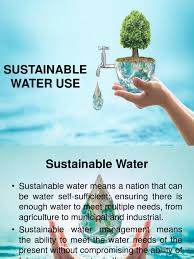
Water is a finite resource, yet modern urban living places extraordinary pressure on its availability. From residential use and industrial processes to agriculture and energy production, cities consume vast quantities of water daily. Water sustainability ensures that current needs are met without compromising the ability of future generations to meet theirs.
Unplanned urban growth, pollution, climate change, and aging infrastructure all threaten water quality and availability. Without sustainable practices, cities face risks such as water shortages, increased costs, and heightened vulnerability to droughts and floods.
Urban Water Management: The Foundation of Resilience
Urban water management plays a vital role in achieving water sustainability. It involves the strategic planning, development, distribution, and monitoring of water resources in urban areas. Effective management includes:
Smart infrastructure: Implementing leak detection systems, water-efficient plumbing, and real-time monitoring to reduce waste.
Stormwater capture and reuse: Turning rainfall into a valuable resource by harvesting and storing stormwater for non-potable uses.
Wastewater recycling: Treating and reusing greywater and blackwater for landscaping, irrigation, or industrial use.
Green infrastructure: Integrating natural systems like wetlands, green roofs, and permeable pavements to manage runoff and support ecosystems.
Cities that invest in resilient water infrastructure are better equipped to handle population growth and climate variability.
Sustainable Water Solutions for the Future
The transition to sustainable water solutions is no longer optional—it’s essential. Innovative approaches are emerging across the globe, such as:
Decentralized water systems: Community-level treatment and reuse facilities reduce dependence on large-scale networks.
Public education and engagement: Encouraging responsible water use through awareness campaigns and incentives.
Policy and regulation: Enforcing water-efficient building codes, pricing structures that reflect true water value, and long-term planning.
Technology integration: Leveraging data analytics, AI, and IoT for smarter water use and predictive maintenance.
These solutions not only conserve water but also create jobs, reduce costs, and improve public health and environmental outcomes.
Conclusion
Water sustainability is a defining challenge of the 21st century, especially for rapidly growing urban centers. Through innovative urban water management and the implementation of sustainable water solutions, cities can protect this precious resource and build a resilient, equitable future for all. The time to act is now—because every drop counts.