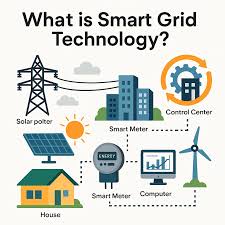
As urban populations rise and climate variability increases, water utilities face mounting pressure to modernize infrastructure. Enter the era of smart water grids, where real-time insights and adaptive responses can optimize distribution, reduce waste, and prevent failures. Central to this transformation is edge AI water grid technology—an innovative convergence of decentralized intelligence and smart infrastructure.
Why Traditional Systems Fall Short
Conventional water management systems rely heavily on centralized control centers and periodic data collection. These legacy approaches struggle with latency, limited scalability, and reactive maintenance models. In contrast, smart grids demand instant data processing, local decision-making, and system-wide situational awareness. This is where smart utility edge tech steps in.
The Role of Edge AI in Smart Water Infrastructure
Edge AI—artificial intelligence deployed on local devices rather than centralized cloud servers—brings significant advantages to water management:
Real-Time Analysis: By processing sensor data directly at the source, edge AI enables faster detection of anomalies like leaks, pressure drops, or contamination.
Autonomous Control: Localized AI agents can make decisions without relying on distant servers, allowing immediate responses to critical events.
Bandwidth Efficiency: Edge AI reduces the volume of data sent to central systems, conserving bandwidth and cutting costs.
This shift towards decentralized monitoring is especially crucial in large, dispersed water networks where latency or connectivity issues can hinder traditional centralized approaches.
Decentralized Monitoring: A Game Changer
Decentralized monitoring allows each node of the water grid—whether a pumping station, valve, or sensor—to operate semi-autonomously. For example, an edge device installed at a remote valve can detect abnormal pressure fluctuations, analyze the pattern using AI, and trigger a localized alert or automated shutdown before damage escalates.
Such localized intelligence is not only more resilient but also more scalable. As cities expand and rural utilities come online, adding new nodes becomes a plug-and-play process rather than a complex system overhaul.
Smart Utility Edge Tech in Action
Several smart city initiatives and utility companies are already deploying smart utility edge tech:
Predictive Maintenance: AI algorithms on edge devices identify wear and tear trends, scheduling proactive service to avoid costly breakdowns.
Leak Detection: High-resolution acoustic sensors coupled with machine learning detect micro-leaks, saving millions of gallons annually.
Demand Forecasting: Edge-based AI models can analyze consumption patterns and predict demand spikes, allowing dynamic resource allocation.
Scaling the Future of Water Management
To scale smart water grids effectively, utilities must embrace a hybrid architecture that combines centralized oversight with distributed intelligence. Edge AI offers a scalable, secure, and sustainable foundation for this evolution.
As technology matures and costs decline, deploying edge AI water grid solutions will no longer be a luxury but a necessity. The combination of smart utility edge tech and decentralized monitoring paves the way for resilient, responsive, and resource-efficient water infrastructure.
Conclusion
In the push toward sustainable urban living, smart water grids represent a critical frontier. With edge AI, utilities can move from reactive to proactive, from inefficient to intelligent. The fusion of decentralized monitoring and smart edge solutions doesn’t just modernize water systems—it transforms them into living networks capable of adapting, learning, and thriving.