As global urbanization accelerates and climate variability intensifies, managing water systems with precision and efficiency has become a pressing need. One of the most transformative technologies emerging in this space is the digital twin—a virtual replica of physical systems powered by real-time data. In the context of water management, digital twin water systems are reshaping how utilities design, operate, and maintain their infrastructure. By integrating AI in water infrastructure and enabling smart utility networks, digital twins are paving the way for a more sustainable and responsive future.
What Are Digital Twin Water Systems?
A digital twin is a dynamic, real-time digital replica of a physical asset or process. In water infrastructure, this can include water treatment plants, distribution networks, wastewater systems, and even entire city-wide hydraulic models. These digital twin water systems continuously receive input from sensors and IoT devices embedded in the physical infrastructure. This data allows operators to monitor conditions, simulate scenarios, and optimize performance with unparalleled accuracy.
Integration of AI in Water Infrastructure
The true power of digital twins is unlocked when combined with artificial intelligence (AI). AI algorithms process the vast amounts of data generated by water networks to identify patterns, predict failures, and suggest corrective actions. This creates a self-learning system where water infrastructure becomes smarter over time. For example, AI can forecast pipe bursts based on pressure data trends or optimize pump operations to reduce energy consumption.
AI-driven digital twins also enable proactive maintenance strategies. Instead of relying on scheduled maintenance or responding to breakdowns, utilities can predict and address issues before they escalate. This predictive capability significantly reduces downtime and maintenance costs while improving service reliability.
Enabling Smart Utility Networks
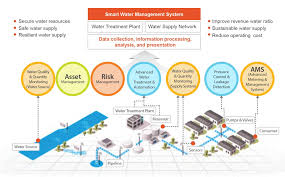
Digital twins are a foundational element of smart utility networks—integrated systems that use digital technologies to manage water, energy, and other utilities more intelligently. In smart water networks, digital twins act as the brain of the system, coordinating data from across the utility to provide a holistic view of operations.
These systems support real-time decision-making. For instance, during a flood event or drought, digital twins can simulate multiple response strategies, helping decision-makers choose the most effective path. In cities facing water scarcity, smart utility networks powered by digital twins can dynamically adjust water distribution based on usage patterns and conservation goals.
Benefits and Real-World Impact
Utilities worldwide are already experiencing the benefits of digital twin technology:
Increased operational efficiency: Optimizing water flow, reducing leakage, and managing energy use more effectively.
Enhanced resilience: Simulating stress scenarios helps utilities prepare for extreme weather or demand surges.
Customer satisfaction: Faster response times and more reliable service lead to better user experiences.
Environmental sustainability: By reducing water loss and energy usage, digital twins contribute to broader environmental goals.
Challenges and the Path Forward
Despite their promise, implementing digital twin water systems is not without challenges. These include high upfront costs, integration with legacy systems, and the need for skilled personnel to interpret and act on the data. However, as digital tools become more accessible and interoperable, the barriers are gradually diminishing.
Governments and private-sector stakeholders are increasingly investing in research and pilot projects to explore the full potential of digital twins. The collaboration between utility operators, AI developers, and infrastructure planners will be crucial to scaling this technology across different regions and water systems.
Conclusion
The role of digital twins in smart water infrastructure is growing rapidly, offering a path toward more intelligent, resilient, and sustainable water management. By combining the strengths of digital twin water systems, AI-powered water infrastructure, and smart utility networks, cities and utilities can not only meet today’s challenges but also prepare for the demands of tomorrow. As digital innovation continues to evolve, the future of water infrastructure is not just connected—it’s smart.