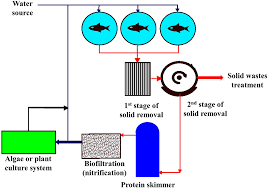
Aquaculture has become a critical part of the global food supply, with fish farms producing nearly half of the seafood consumed worldwide. But maintaining aquaculture water quality is a complex challenge. Fluctuations in oxygen levels, pH, temperature, and contamination can rapidly affect fish health, productivity, and profitability. Traditional fish farm monitoring methods often fall short in detecting and responding to these rapid changes. That’s where AI aquaculture solutions are making a transformative impact.
Here are the top five water quality challenges in aquaculture—and how AI is solving them.
- Fluctuating Dissolved Oxygen Levels
Challenge: Fish and other aquatic species rely on adequate dissolved oxygen (DO) levels to survive. Low DO can cause stress, disease outbreaks, or mass mortality events.
AI Solution: AI-powered sensors can continuously monitor DO levels in real-time. When levels drop, the system automatically alerts operators or activates aeration systems. With predictive algorithms, AI can even forecast future DO dips based on weather patterns, biomass levels, and historical data—enabling proactive intervention.
- Unstable pH and Alkalinity
Challenge: Aquaculture water quality depends on balanced pH and alkalinity. Sudden changes can disrupt fish metabolism and lead to harmful ammonia buildup.
AI Solution: AI aquaculture platforms integrate real-time sensor data with machine learning models to detect subtle trends in pH fluctuation. These systems can suggest optimal buffering strategies and predict when pH may veer into harmful ranges—improving response time and reducing manual guesswork.
- Temperature Variability
Challenge: Water temperature affects fish metabolism, immune response, and feeding behavior. Sudden drops or spikes can stunt growth or lead to disease outbreaks.
AI Solution: AI uses environmental data (e.g., air temperature, solar radiation, weather forecasts) to predict water temperature trends. Smart systems can automate heating or cooling controls in recirculating aquaculture systems (RAS), ensuring temperature stays within species-specific optimal ranges.
- Ammonia and Nitrite Buildup
Challenge: Waste from fish and uneaten feed releases ammonia, which is toxic at high levels. If not properly processed by beneficial bacteria, ammonia can lead to fish kills and poor growth rates.
AI Solution: AI models can learn from patterns in feeding rates, stocking density, and biofilter performance to optimize waste management. Some AI systems even integrate video analytics to detect fish stress behaviors related to poor water quality—providing early warning before chemical levels become dangerous.
- Manual Monitoring Limitations
Challenge: Traditional fish farm monitoring relies on manual water sampling, which is labor-intensive and infrequent—leaving room for undetected changes in water conditions.
AI Solution: AI aquaculture solutions automate monitoring with IoT-based sensors, drones, and real-time data analytics. This not only reduces labor but also increases the frequency and accuracy of data collection. Combined with cloud-based dashboards, farm managers can view and respond to live updates from anywhere.
The Future of Aquaculture Water Quality: Smarter, Faster, More Sustainable
As demand for seafood grows, so does the need for more efficient and sustainable aquaculture practices. By solving core challenges in aquaculture water quality, AI aquaculture technologies are enabling fish farmers to make faster, smarter, and more cost-effective decisions. From predictive analytics to automated controls, AI is no longer a luxury—it’s fast becoming a necessity in modern fish farm monitoring.
Whether you’re managing a small inland fish farm or a large offshore operation, investing in AI-driven water quality systems is the key to healthier stock, higher yields, and long-term sustainability.