As global demand for clean water continues to rise, water utilities and infrastructure operators face growing pressure to reduce waste, prevent outages, and ensure water quality. Enter predictive maintenance—a transformative approach that leverages modern technologies to anticipate issues before they cause disruptions. When paired with AI anomaly detection, predictive maintenance is becoming an essential tool in safeguarding our water infrastructure and securing the future of clean water.
The Aging Water Infrastructure Challenge
Across many parts of the world, water infrastructure is aging. Pipes, pumps, and treatment plants built decades ago are now struggling to meet current demands. Leaks, equipment failures, and undetected contamination not only result in financial loss but also threaten public health and environmental safety.
Traditional maintenance methods, which rely on scheduled servicing or reactive repairs, are no longer sufficient. They often miss early warning signs or lead to unnecessary costs. That’s where predictive maintenance comes into play.
What Is Predictive Maintenance in Water Systems?
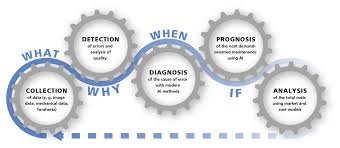
Predictive maintenance involves using data analytics, sensors, and machine learning to monitor equipment health and forecast failures before they occur. Instead of waiting for a pump to break down or a pipeline to burst, utilities can now intervene early—saving money and reducing downtime.
In water systems, this might mean installing sensors that track flow rate, pressure, temperature, and water quality in real time. These sensors feed data into an AI platform, which continuously learns what “normal” operations look like and flags deviations as potential signs of trouble.
The Role of AI Anomaly Detection
Central to predictive maintenance is AI anomaly detection—an advanced capability that analyzes vast streams of sensor data to identify patterns and outliers. For example, a sudden drop in water pressure in a section of pipeline could indicate a developing leak or blockage. An AI system trained on historical data can detect such anomalies faster and more accurately than a human operator.
By automatically flagging potential issues, AI reduces the burden on maintenance teams and allows for faster, data-driven decision-making. Moreover, AI systems can prioritize alerts based on severity, helping utilities allocate resources more efficiently.
Benefits of Predictive Maintenance for Water Infrastructure
Reduced Water Loss: Early detection of leaks prevents water waste and conserves valuable resources.
Lower Operational Costs: Avoiding emergency repairs and extending the life of equipment can significantly cut expenses.
Improved Water Quality: Monitoring for anomalies in chemical levels or turbidity helps ensure compliance with safety standards.
Greater System Reliability: Predictive models help prevent unexpected downtime, ensuring a more consistent supply of clean water.
Sustainability: Efficient maintenance practices support long-term environmental goals by reducing energy usage and carbon emissions.
Looking Ahead: A Smarter Water Future
Adopting predictive maintenance powered by AI anomaly detection represents a fundamental shift in how we manage water infrastructure. As the technology matures and becomes more accessible, it will play a pivotal role in delivering resilient, efficient, and sustainable water systems around the world.
The future of clean water depends not just on building new infrastructure, but on using smart technologies to manage what we already have. Predictive maintenance is not just a trend—it’s the next step in preserving our most precious resource.