As global water resources face increasing pressure from pollution, climate change, and urban growth, the demand for innovative solutions in water management has never been greater. One of the most promising technological advancements in this space is the integration of AI water monitoring with IoT water sensors—a combination that is revolutionizing how we assess and maintain water quality. This powerful duo is paving the way for smart water management systems that are more accurate, efficient, and responsive than ever before.
The Rise of IoT Water Sensors
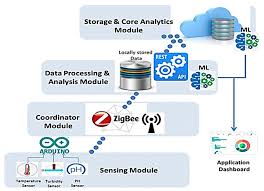
Internet of Things (IoT) technology has introduced a new era in environmental monitoring by deploying low-power, real-time sensors in water bodies, pipelines, treatment plants, and reservoirs. These IoT water sensors are capable of continuously measuring key indicators such as pH, turbidity, dissolved oxygen, temperature, and the presence of contaminants like heavy metals or pathogens.
Unlike traditional manual sampling, IoT-based solutions offer constant, high-frequency data collection without the need for human intervention. This stream of granular, real-time data is crucial for understanding dynamic water systems and identifying problems as soon as they arise.
The Role of Artificial Intelligence in Water Monitoring
Collecting data is only part of the solution—making sense of it is where AI water monitoring shines. Artificial intelligence algorithms, particularly machine learning and deep learning models, are used to analyze the massive amounts of data collected by IoT sensors. These AI systems can detect patterns, forecast water quality trends, and identify anomalies that could indicate pollution events or system malfunctions.
For example, AI can predict the likelihood of algae blooms by analyzing a combination of temperature, nutrient levels, and water flow data. Similarly, it can alert operators to potential contamination from agricultural runoff before it affects drinking water supplies.
Smart Water Management in Action
The combination of AI and IoT is forming the backbone of smart water management systems around the world. These integrated solutions enable utilities, municipalities, and environmental agencies to make informed, proactive decisions.
Some of the key benefits include:
Real-time alerts: Instant notifications about deteriorating water quality or equipment failure.
Predictive maintenance: AI can forecast when sensors or filters will need service, reducing downtime and operational costs.
Automated reporting: Compliance with environmental regulations becomes simpler with automated data logging and reporting.
Resource optimization: AI-driven insights help manage water use more efficiently, especially in regions facing scarcity.
Case Studies and Applications
In India, smart river monitoring systems using AI and IoT are helping track pollution levels in the Ganges. In the U.S., municipal water utilities are using similar technologies to ensure safe drinking water and prevent infrastructure failures. Agricultural operations globally are also adopting AI-powered monitoring to optimize irrigation while protecting groundwater from contamination.
Challenges and Future Outlook
Despite the significant advantages, some challenges remain. These include the cost of deploying sensor networks, ensuring data security, and the need for standardized protocols. However, as technology advances and becomes more accessible, these barriers are expected to diminish.
Looking ahead, the integration of satellite data, edge computing, and advanced analytics will further enhance the effectiveness of AI water monitoring and IoT water sensors, driving the next wave of innovation in smart water management.
Conclusion
The convergence of AI and IoT is not just enhancing our ability to monitor water quality—it’s transforming the very way we manage and protect this critical resource. With continued investment and innovation, AI-powered IoT will play a central role in creating a sustainable, water-secure future for all.