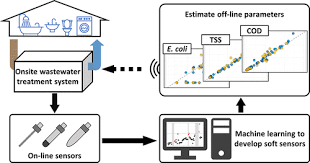
Precision agriculture, also known as smart farming or precision farming, has emerged as a transformative approach to modern agriculture, addressing the pressing global challenges of food security, environmental sustainability, and resource efficiency. With projections indicating that the global population will approach 10 billion by 2050, the need for food is predicted to rise significantly. This will impose unparalleled challenges on agricultural systems to enhance production using restricted resources [1]. Conventional farming practices, characterized by uniform treatments and practices across large fields, often result in inefficiencies and wastage of valuable resources such as water, fertilizers, and pesticides. Additionally, unpredictable weather patterns and the increasing threat of climate change pose additional uncertainties and risks for farmers, making it essential to optimize agricultural operations to ensure long-term food production sustainability. In this context, precision agriculture stands out as an innovative method that utilizes advanced technologies, especially smart sensors and data analytics, enabling farmers to make informed decisions based on real-time information [2]. By incorporating smart sensors to monitor and analyzed specific aspects of crops, soil, and environmental conditions, precision agriculture empowers farmers to tailor inputs and interventions precisely to the needs of individual plants or areas of the field. The potential benefits of precision agriculture are multifaceted. First, it offers the promise of significantly increasing crop yields and overall productivity while reducing resource wastage [3]. Second, by using resources more efficiently and minimizing environmental impacts, precision agriculture contributes to sustainable and responsible agricultural practices [4]. Third, the ability to anticipate and respond to changing environmental conditions improves resilience against climate variability, enhancing the sector’s ability to withstand challenges posed by global climate change. The adoption of smart sensor technologies in modern agriculture holds paramount importance in revolutionizing the way we produce food and addressing the numerous challenges faced by the agricultural sector today [5]. These advanced sensors, equipped with cutting-edge capabilities and integrated with modern technologies, offer a wide range of benefits that contribute to more sustainable, efficient, and resilient agricultural practices. Smart sensors deliver high-resolution, real-time data on key parameters like soil moisture, nutrient levels, crop health, and environmental conditions. This abundance of data enables farmers to make decisions guided by information and customize their actions to precisely match the crop requirements. By relying on precise and timely data, farmers can optimize their resource use, minimize waste, and boost overall productivity. The concept of precision agriculture revolves around treating each part of the field individually, acknowledging that different areas have distinct needs. Smart sensors facilitate precision farming by offering detailed insights into spatial variations in soil and crop conditions [6]. This enables the targeted application of fertilizers, pesticides, and water, minimizing excess usage and ensuring that inputs are applied where and when they are most needed. With a growing global population and limited natural resources, the efficient use of resources is imperative. Smart sensors play a critical role in promoting resource efficiency by enabling precise irrigation scheduling, optimizing nutrient application, and monitoring environmental conditions to prevent wasteful practices. By conserving water, fertilizers, and energy, smart sensor technologies contribute to sustainable and environmentally friendly agriculture. Smart sensors for crop health monitoring have the capability to identify initial indications of diseases, pests, and stress factors. This permits prompt actions to be taken. Rapid detection and response to potential threats help prevent the spread of diseases and minimize yield losses. This proactive approach improves overall crop health and reduces the dependence on chemical treatments. As climate change continues to pose challenges to agricultural productivity, smart sensors assist in building climate resilience. By monitoring weather conditions, soil moisture levels, and other environmental parameters, farmers can adapt their practices to changing climate patterns. This adaptability enhances the sector’s ability to withstand extreme weather events and ensures continuity in food production. Smart sensors generate vast amounts of data, which, when coupled with data analytics and artificial intelligence (AI), offer valuable insights into crop performance and farm management. These analytics enable trend analysis, predictive modeling, and actionable recommendations that optimize agricultural practices and increase profitability. Progress in smart sensor technology has resulted in the creation of sensor solutions that are both cost-effective and easy for users to operate. This accessibility makes these technologies viable for farmers of all scales, including smallholders, allowing them to benefit from modern agricultural practices and gain access to global markets. By promoting responsible and efficient resource management, smart sensor technologies contribute to sustainable agriculture. Reduced chemical usage, improved water conservation, and enhanced soil health are vital components of environmental stewardship and contribute to the preservation of ecosystems and biodiversity. So adopting smart sensor technologies in modern agriculture is essential for enhancing productivity, promoting sustainability, and addressing the challenges of food security in a rapidly changing world. Figure 1 shows the significant element of precision agriculture. The integration of these advanced sensors with data analytics and other modern technologies empowers farmers with valuable insights and tools to optimize their practices, conserve resources, and ensure a resilient and prosperous agricultural sector for generations to come. Smart sensors play a central role in precision farming, revolutionizing traditional agricultural practices by introducing data-driven decision-making and targeted interventions. The core principle of precision farming is to treat each section of the field as a distinct entity, acknowledging that different areas have specific needs and requirements.