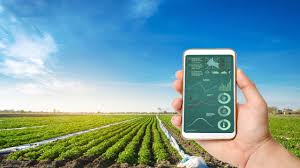
The Middle East, with its vast deserts and limited water resources, has long faced significant challenges in the agricultural sector. Amidst this, the digital transformation of irrigated agriculture has emerged as a crucial solution to tackle these issues, particularly in light of climate change and ongoing conflicts in the region. The integration of cutting-edge technologies like AI, IoT sensors, smart irrigation systems, satellite imagery, and drones is seen as a game-changer for agriculture in arid environments.
The Middle East spans nearly 7.3 million km² and is home to over 500 million people, making it a significant global region. Despite its size and population, it is burdened with challenges, including armed conflicts that impact growth forecasts and the effects of climate change. In the past decade, the region has experienced a nearly double increase in temperatures compared to the global average. These rising temperatures, along with shifts in precipitation patterns and extreme weather events, pose serious threats to food security. These changes not only alter crop cycles but also increase the risk of droughts, floods, and the spread of pests and diseases.
In addition to these environmental and geopolitical challenges, the region’s reliance on water for agriculture makes it particularly vulnerable. The pressure on already scarce water resources exacerbates the situation, pushing countries to find sustainable solutions for agricultural production and food security.
The Role of Digital Transformation in Agricultural Innovation
One of the most promising solutions to these challenges lies in the digital transformation of irrigated agriculture. Experts emphasize that modern agricultural practices can promote environmental sustainability while ensuring global food security. According to Begoña Tarrazona, Irrigation Specialist at Idrica, agriculture plays an essential role not only in food production but also in promoting environmental health through practices that support soil health, carbon sequestration, and pollution reduction.
In the face of pressing challenges, the adoption of digital technologies has become a necessity for countries in the Middle East to ensure food security and environmental sustainability. Countries like Israel, Saudi Arabia, and the United Arab Emirates (UAE) have pioneered the use of agricultural technologies, which have enabled them to increase food production, reduce their reliance on imports, and adapt to the region’s harsh environmental conditions.
Key Technologies Revolutionizing Agriculture in the Region
Several digital technologies have emerged as critical drivers of agricultural transformation in the Middle East:
IoT Sensors: These devices monitor variables such as soil moisture and plant health in real-time, enabling precise management of irrigation systems. According to Tarrazona, these sensors provide essential data on irrigation infrastructures and help optimize resource allocation, significantly reducing water stress and improving sustainability.
Smart Irrigation Systems: The integration of smart irrigation technologies enables automatic adjustments in water supply based on the specific needs of each crop. This minimizes over-irrigation, reduces water waste, and prevents the leaching of essential nutrients from the soil, thus protecting the environment and optimizing water use. According to the FAO, this approach supports production intensification while mitigating resource degradation.
Satellite Imagery and Drones: These technologies offer detailed information on crop health, allowing for early problem detection and more efficient planning. By monitoring vast agricultural landscapes, satellite and drone data can guide resource management and help farmers make more informed decisions about crop care.
Artificial Intelligence (AI): AI plays a vital role in data analysis by processing information from IoT sensors and satellite imagery. This big data analysis enables farmers to identify patterns and trends, optimize agricultural processes, and improve resource use. AI-driven insights lead to better decision-making in real-time, enhancing productivity and efficiency across agricultural operations.
Direct Benefits of Digital Transformation
The digital transformation of agriculture in the Middle East has already yielded substantial benefits:
Water Optimization: Countries like Morocco have successfully adopted hydroponic systems to improve water efficiency in agriculture. These innovations help address water scarcity by reducing water consumption while boosting agricultural productivity.
Increased Productivity: By leveraging digital technologies, countries such as Israel have achieved self-sufficiency in food production, even exporting agricultural products. The efficient use of resources and data-driven decisions have led to enhanced yields across the region.
Environmental Sustainability: The use of digital farming practices reduces the need for chemical inputs, optimizing resource usage and reducing the environmental footprint of agricultural activities. By minimizing the overuse of fertilizers and pesticides, these technologies contribute to more sustainable agricultural systems.
Improved Food Security: Digital transformation has allowed Middle Eastern countries to increase their local food production, reducing their dependence on imported goods. By adopting technologies that enhance productivity, countries in the region are better equipped to face food security challenges and ensure stable food supplies for their populations.
The Future of Digital Agriculture in the Middle East
As the region continues to face environmental challenges, digital transformation will play an increasingly vital role in shaping the future of agriculture. Innovations such as AI, IoT, and smart irrigation systems are not just improving the efficiency of farming operations but also contributing to the long-term sustainability of the sector. The ongoing shift towards digital agriculture aligns with global efforts to address climate change and ensure food security in arid regions.
In the years ahead, digital farming practices are expected to become even more sophisticated, integrating new technologies and enhancing their impact on the region’s agricultural capacity. This transformation is likely to further revolutionize food production systems, making them more resilient to climate fluctuations and more capable of supporting the growing population of the Middle East.
Global Impact and Tourism Industry Implications
While the direct impact of digital transformation in agriculture primarily affects the region’s food security and environmental sustainability, it has broader implications for the travel and tourism industry. By enhancing food production capabilities, countries in the Middle East can become more self-sufficient, reducing their reliance on food imports and ensuring a more stable food supply for both residents and tourists. As more countries adopt sustainable farming technologies, the region will likely see an increase in eco-tourism and agritourism, which could attract travelers interested in learning about innovative farming practices and sustainability efforts.
Moreover, as the Middle East becomes a leader in agricultural technology, it may draw attention from international visitors and business leaders keen to explore opportunities for investment, collaboration, and technological exchange.
The digital transformation of irrigated agriculture is a critical development for the Middle East. By embracing digital technologies, countries in the region are addressing some of the most pressing environmental and resource challenges of our time. This transformation not only ensures food security and sustainability but also positions the Middle East as a global leader in agricultural innovation. The travel industry, in turn, stands to benefit from these advancements, as they support the region’s broader economic growth and appeal to eco-conscious travelers.