Covalima 22 August 2024 – A day at work for Natalia da Costa means a day of discovery and a day of finding answers to some of the health concerns in Covalima, one of the municipalities in Timor-Leste, located at the south-west of the country and laying five hours from Dili.
As an Environmental Health Officer, Natalia is expected to protect the public’s health and safety through regular inspections of the environment and investigating areas which could be breeding ground for pathogens such as bacteria, viruses and parasites.
Unfortunately, the Municipality had been operating for years without water testing equipment to assess the quality of water which communities are drinking. With huge frequencies of flooding, pollution, and adverse human activities, there has been an immense threat to the quality of the water which communities consume.
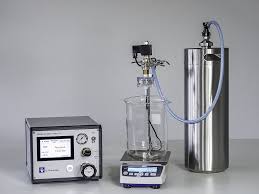
In May 2024, Natalia, together with 27 other participants received training on the use of compact and mobile water quality testing equipment, which have been supplied by UNICEF. Natalia says this experience has marked a positive turning point in her career, as she now has the capacity to provide enough support to ensure the health and safety of the communities she serves by verifying water quality. UNICEF provided 13 such water quality test equipment packages to the Municipal Health offices in all 13 municipalities to help them do regular tests on the quality of water.
“Water quality testing is part of the Municipality Health Services’ plan. That is why after the training, that was supported by UNICEF, we immediately commenced the work. The training gave us knowledge and skills on how to systematically do water quality testing using the equipment that was also provided by UNICEF” says Natalia. Her day at work today begins with a visit to Zumalai Community health Centre, where again she will put this new equipment to test.
Natalia explains that, since their training in May, they have tested the quality of water at nine health facilities, two companies, four villages and one school. The tests revealed high levels of microbiological contamination of the water. Natalia is almost certain that a similar result will come out from their expedition in Zumalia.
Together with colleagues from the technical laboratory, Natalia first sets out to collect water from the main water source, which is about three kilometres from the centre of the community. Samples are carefully taken, ensuring that containers holding the samples are well sterilised.
Natalia points out that on physical inspection, this water looks clean, and this is what deceives people into thinking that it is safe to drink. However, the recent floods in the Municipality have carried a lot of human and animal waste into the water source, making it highly likely that it is contaminated. In addition, reeds, and other pollutants, which are visible across the breadth of this exposed water body, also contribute to the breeding of bacteria in this water source.
The samples are then taken to the Municipality’s capital to test for bacterial presence in the water. It is these tests, which will reveal whether this water source is safe from bacteria and other harmful elements.
“In the past, we had to send the samples to the national lab in Dili for testing, and this took about one to three months to get the results. However, since we received the equipment from UNICEF and were trained on how to use it, we can do testing here in our municipality lab and within 24 hours the results are known. This is really a big change for us” says a delighted Natalia.
After patiently waiting for 24 hours, Natalia gets news from the Laboratory that the water source at Zumalai is indeed microbiologically contaminated. Armed with this information, Natalia makes her way back to the village, where in collaboration with the local authority, municipality water department and civic protection intense health promotion and prevention sessions are conducted with the communities, companies, and the school.
The result of this water testing done at the municipality level, is also reported to the Ministry of Health at the national level.
Natalia and her team are happy with the improvements to their work since the mini test kits were received. Seeing that most of the tests are coming out positive, it is Natalia’s hope that more community engagement is done to help communities adopt ways to protect their water sources and to treat the water they use for domestic purposes.